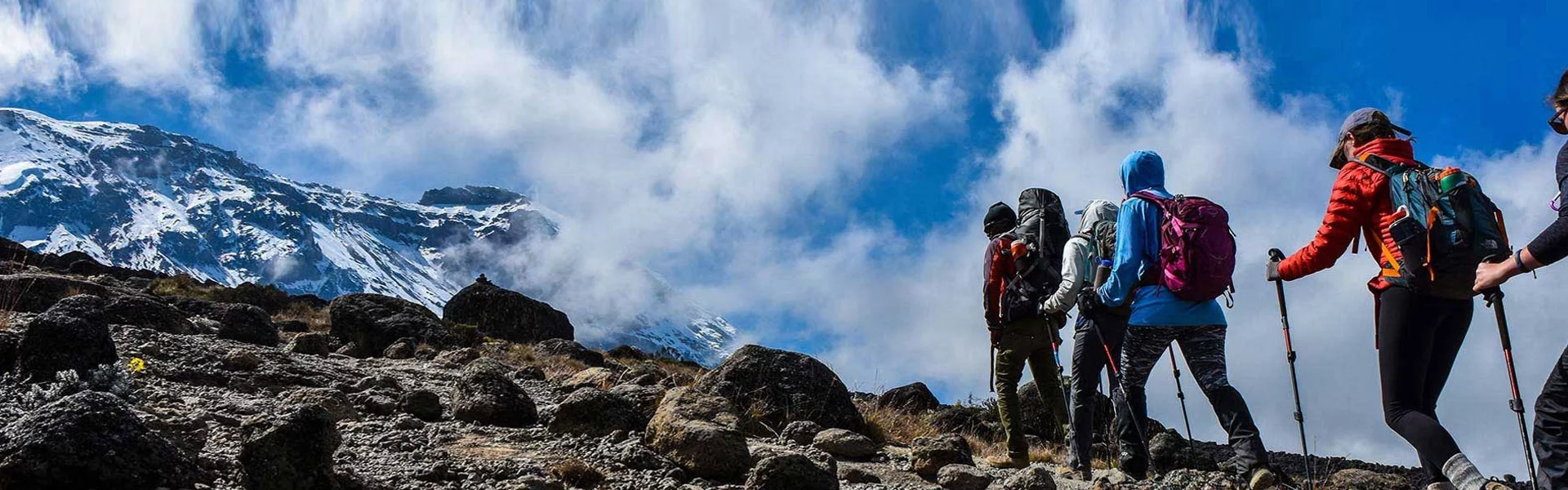
Kilimanjaro’s Five Main Vegetation Zones
UNESCO identifies five principal vegetation zones on Mount Kilimanjaro, from the lower slopes through forest and moorland to the alpine desert and summit. The environment changes as the route gains elevation; Uhuru Peak is at 5,895 metres.
Lower slopes and cultivation
Lower sections are generally warmer than upper elevations. Depending on route and time of day, the walk may begin in relatively warm conditions.
Montane forest
The forest belt can be humid and wet, particularly in rainy periods. Reliable rain protection is important here.
Heath and moorland
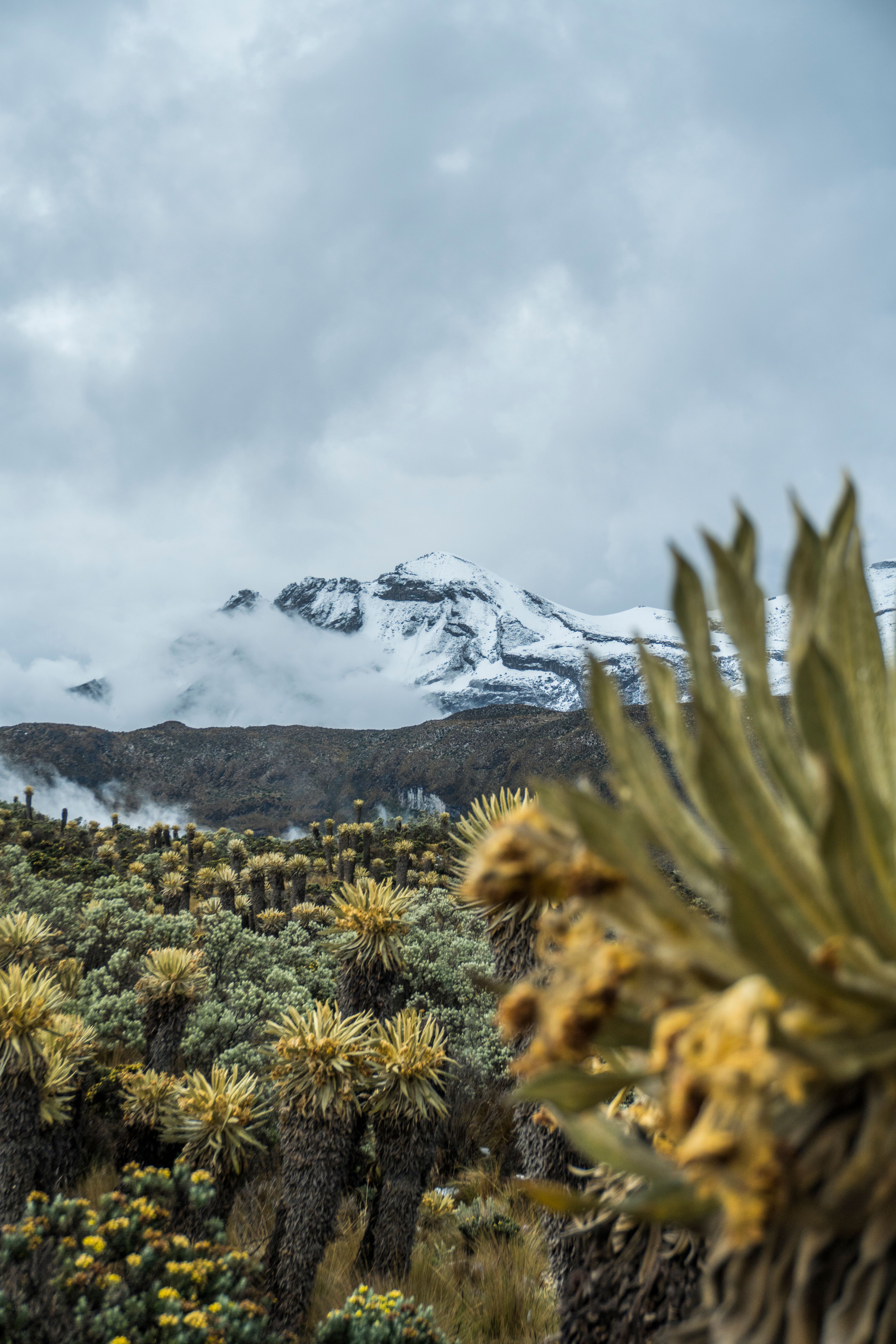
Vegetation becomes shorter and more open as altitude increases. Temperatures fall and exposure to wind increases.
Alpine desert
This environment becomes exposed, dry and rocky. Sunlight can feel intense in the day while temperatures fall after sunset.
Summit zone
Near Uhuru Peak, temperatures are often below freezing in the coldest periods, particularly before dawn. Wind can make it feel colder.
How Temperature Changes with Altitude
- Moshi and lower foothills
- Rainforest
- Heath and moorland
- Alpine desert
- Barafu or Kibo camp
- Uhuru Peak
Temperature generally decreases as elevation increases, but actual conditions depend on wind, cloud cover, rainfall, season, time of day and location. Do not rely on one temperature number. Prepare for a range of conditions.
What Is Kilimanjaro Summit Night Like?
Summit night is usually the coldest and most physically demanding part of the climb. Most summit attempts begin at night so climbers can reach higher elevations before or around sunrise.
At this altitude you may experience freezing temperatures, wind, darkness, low humidity and reduced oxygen availability. Bring warm layers, hand protection, a headlamp, suitable footwear and insulation for long periods of slow movement. Your guide determines the pace and operational plan based on the route, weather and group condition.
Does It Rain on Kilimanjaro?
Yes. Rain is most relevant on lower and forested sections, although weather can change at higher elevations as well. Wetter periods can produce muddy or slippery trails. Rain is still possible during generally drier months, so carry reliable waterproof protection.
Why Is Sun Protection Important on Kilimanjaro?
UV exposure increases at high altitude. Cloud cover can be misleading: skin may still receive strong ultraviolet radiation when the air feels cool. Pack sunscreen, sunglasses, a sun hat or cap, lip protection and long sleeves when appropriate. Snow, pale rock and other bright surfaces can increase glare.
How Wind Changes Kilimanjaro Conditions
Wind can significantly change how cold the mountain feels. At exposed camps and on the summit approach, wind protection is particularly important. A waterproof, wind-resistant outer shell is one of the most useful layers to carry.
How Should I Check the Kilimanjaro Weather Forecast?
Use forecasts as preparation tools, not guarantees. Mountain weather can vary quickly, and forecasts become less certain further into the future.
- Check the forecast close to departure and again before entering the mountain.
- Follow your guide’s operational advice.
- Pack for rain even during a relatively dry-season climb.
- Prepare for freezing summit conditions even if Moshi is warm.
The weather in Moshi or Arusha should not be treated as a direct forecast for Uhuru Peak.
Kilimanjaro Weather by Season
January–February
Often favorable, but conditions remain variable.
March–May
A wetter period with a higher probability of rain.
June–October
Generally drier and popular for trekking.
November–December
Short-rain conditions can occur.
See our guide to the best time to climb Kilimanjaro for more seasonal detail.
What Should I Wear on Kilimanjaro?
Think in layers: moisture-wicking base layers for comfort, mid-layers for warmth, insulation for cold conditions and an outer shell for rain and wind. The system should let you remove layers when warm and add them when temperatures fall.
See the complete Kilimanjaro packing list for clothing and equipment guidance.
Explore Kilimanjaro Routes
Machame Route
An established southern approach with varied mountain scenery and several days of trekking.
6 or 7 days on NOJO’s listed itineraries
View Route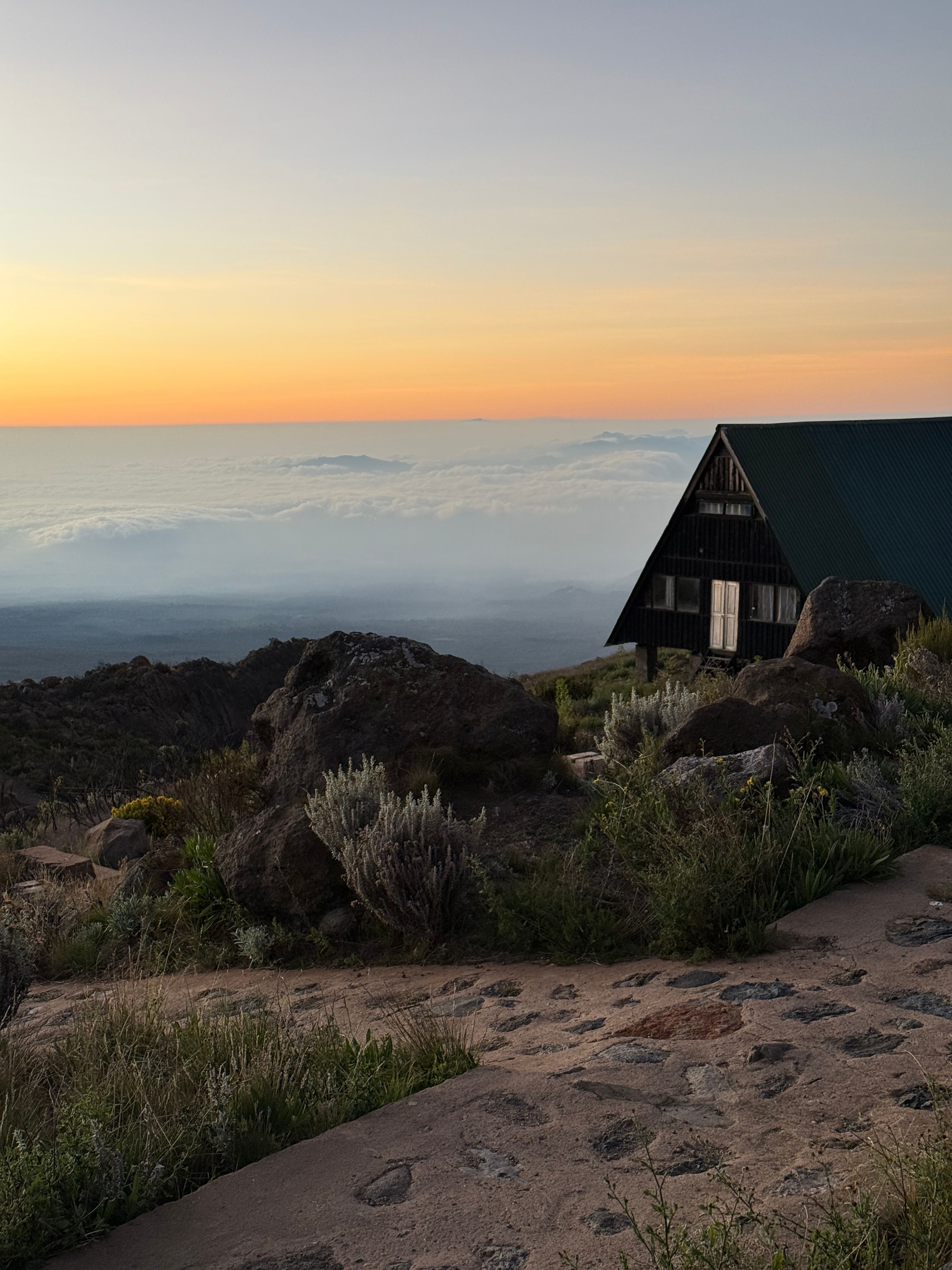
Marangu Route
A classic route using mountain huts rather than camping tents.
5, 6 or 7 days on NOJO’s listed itineraries
View Route
Lemosho Route
A longer western approach with varied landscapes and extended trekking itineraries.
7 or 8 days on NOJO’s listed itineraries
View Route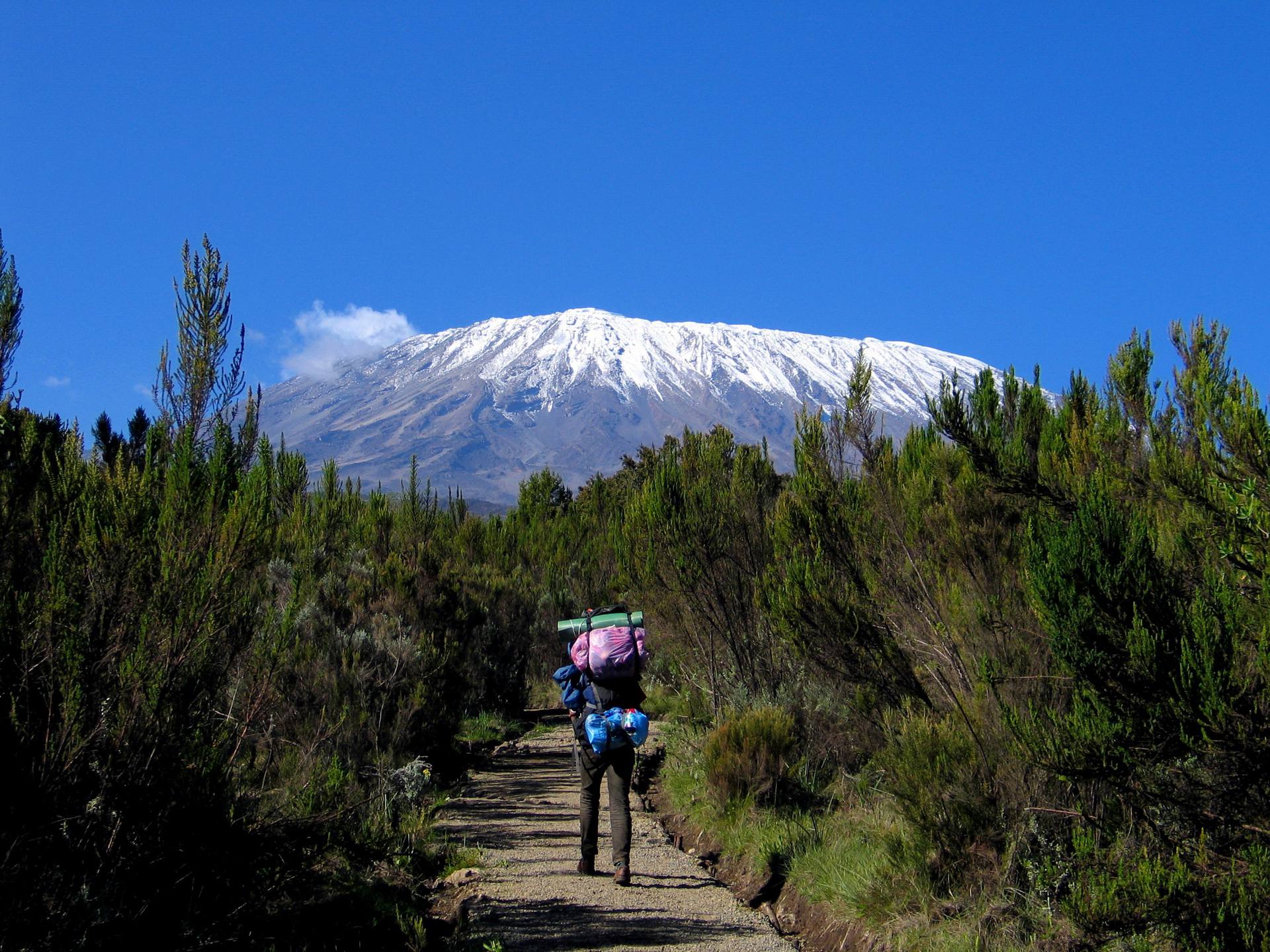
Rongai Route
A northern approach to Mount Kilimanjaro.
6 or 7 days on NOJO’s listed itineraries
View Route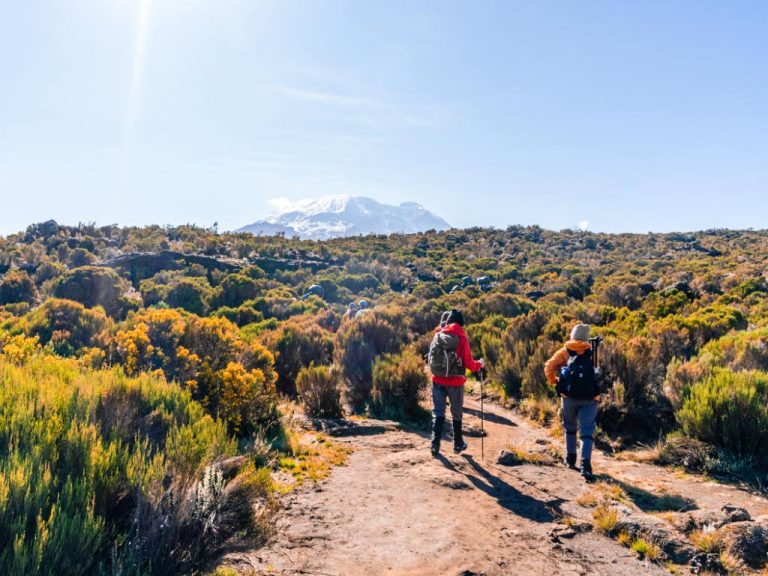
Umbwe Route
A steep route with a demanding trekking profile.
6 or 7 days on NOJO’s listed itineraries
View Route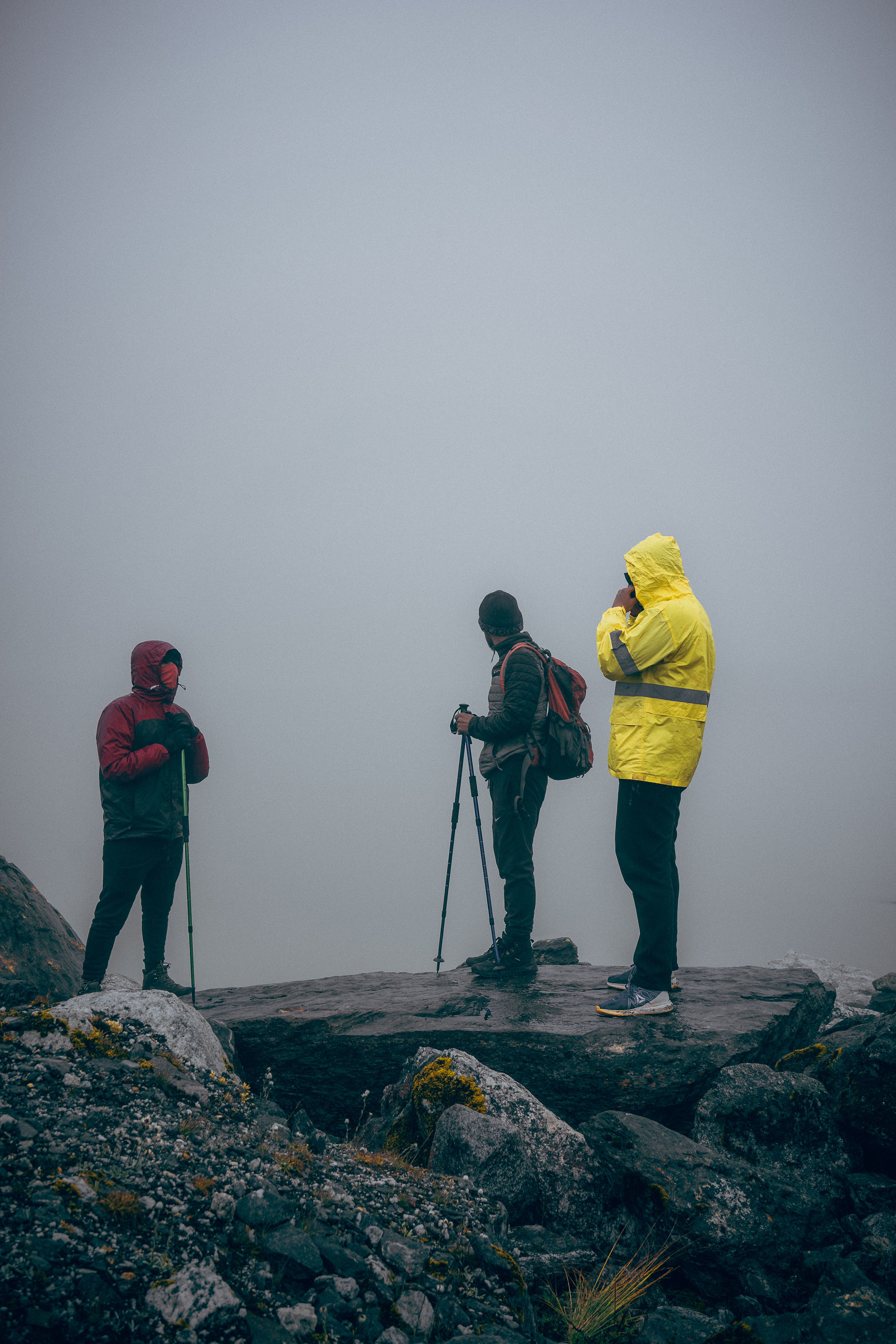
Northern Circuit
A longer itinerary around the northern side of the mountain.
7 or 8 days on NOJO’s listed itineraries
View RoutePlanning Guide
Last updated:
Travel information such as park fees, regulations, route operations and entry requirements can change. Confirm current details with NOJO before travel.