What Should Kilimanjaro Training Focus On?
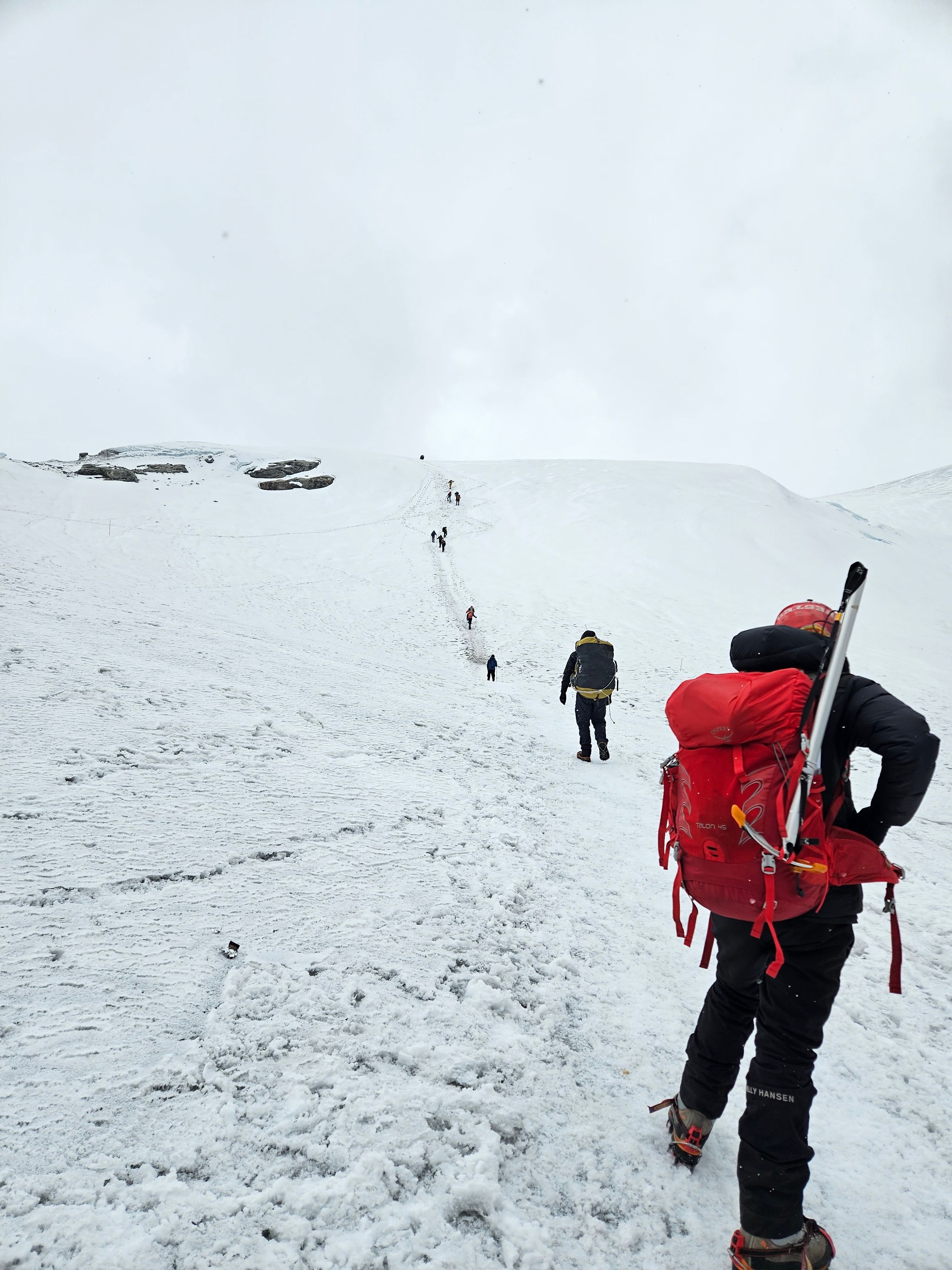
Aerobic endurance
Walking, hiking, cycling, swimming or running if appropriate.
Leg strength
Squats, lunges, step-ups and calf raises.
Uphill endurance
Hills, stairs, incline treadmill or hill walking.
Time on your feet
Longer walks, long hikes and occasional back-to-back walking days.
Recovery
Rest days, sleep, normal nutrition and gradual progression.
How Many Weeks Should I Train for Kilimanjaro?
A practical preparation period is around 8–12 weeks for many travelers, although your starting fitness level makes a significant difference. Someone who already hikes regularly may need less time to build basic endurance; someone who is normally sedentary should start earlier and progress gradually. This is a general planning suggestion, not a medical requirement.
12-Week Kilimanjaro Training Plan
Weeks 1–4: Build your base
Goal: create consistency. Example: Monday rest or mobility; Tuesday 30–45 minutes easy cardio; Wednesday strength; Thursday 30–45 minutes brisk walk or incline walk; Friday rest; Saturday 2–3 hour walk or hike; Sunday easy recovery walk. Concentrate on building a habit without constantly pushing to exhaustion.
Weeks 5–8: Build endurance
Tuesday 45–60 minute cardio; Wednesday strength; Thursday 45–60 minute hill, stair or incline session; Friday recovery; Saturday 3–5 hour hike; Sunday easy walk. Gradually increase uphill time and become comfortable walking continuously for several hours.
Weeks 9–10: Make training mountain-specific
Increase long hikes, uphill walking, stair sessions, uneven trail walking and time on your feet; occasionally walk on consecutive days. Use your normal training daypack. Do not simulate a porter-carried expedition load; focus on sustained walking.
Week 11: Reduce training load
Reduce total training volume, stay active and avoid unnecessary fatigue. Continue easy walking and familiar exercises.
Week 12: Taper and prepare
Focus on arriving rested: easy walking, sleep, travel preparation, equipment checks, reviewing your itinerary, documents and final packing. Avoid starting an intense program just before the climb.
Best Exercises for Kilimanjaro
Step-ups
Closely resemble repeated uphill movement and are practical at home or in a gym.
Squats
Strengthen legs and hips used during uphill and downhill walking.
Lunges
Help develop lower-body strength and balance.
Calf raises
Strengthen lower legs used during repeated walking.
Stair climbing
Provides a useful way to practise sustained uphill work.
Incline walking
A controlled uphill workout when outdoor hills are unavailable.
Long walks and hikes
Build endurance and time on your feet while practising real terrain.
A Simple Weekly Kilimanjaro Training Schedule
| Day | Example session |
|---|---|
| Monday | Rest or mobility |
| Tuesday | 45-minute cardio and a short strength session |
| Wednesday | Strength training |
| Thursday | 45–60 minutes of uphill walking or stairs |
| Friday | Rest or a very easy walk |
| Saturday | Long hike |
| Sunday | Easy recovery walk |
Adjust duration and intensity to your current fitness level. Progress gradually instead of increasing everything at once.
Practice Walking Slowly
Kilimanjaro is not a race. Mountain days are generally paced so climbers can conserve energy and adapt to changing altitude. Practise walking at a comfortable, steady pace on longer hikes. You should finish many training sessions feeling you could continue—not completely exhausted.
Do I Need to Run to Train for Kilimanjaro?
No. Running can improve cardiovascular fitness, but it is not the only way to prepare. Uphill walking, hiking, stairs and incline treadmill sessions resemble the movement and duration of mountain trekking more closely. Choose activities you can perform consistently and safely.
Can Fitness Prevent Altitude Sickness?
No. Fitness and altitude acclimatization are different things. You can be physically fit and still develop altitude illness. Altitude illness is related to factors including altitude, rate of ascent and individual response. This is why an appropriate itinerary and gradual ascent matter. The CDC Yellow Book guidance also emphasizes gradual acclimatization and notes that fitness does not protect against altitude illness.
Learn to recognize possible altitude-illness symptoms and promptly report concerning symptoms to your mountain guide. Discuss personal altitude risk and medication questions with a qualified healthcare professional before travel.
Does Your Kilimanjaro Route Affect Training Requirements?
Routes differ in steepness, duration, terrain and daily hiking pattern. Machame has varied terrain; Lemosho has a longer approach and extended itinerary options; Marangu uses hut accommodation and a different route profile; Rongai approaches from the north; Umbwe has a steep profile; and the Northern Circuit is a longer itinerary. Review the detailed Machame Route, Marangu Route, Lemosho Route, Rongai Route, Umbwe Route, Northern Circuit pages before selecting your climb.
Two Weeks Before Kilimanjaro
Do not suddenly increase training volume. Maintain fitness while reducing unnecessary fatigue. Review your passport, travel documents, insurance, packing list, footwear, rain gear, summit insulation, medications, travel arrangements, airport transfer, hotel, route itinerary and emergency contacts. Aim to arrive rested, not exhausted.
The Week Before Your Climb
Keep training light. Avoid trying to make major fitness improvements immediately before departure. Prioritize sleep, normal meals, hydration, easy walking, travel preparation, equipment checks, packing and rest. The objective is to arrive in Tanzania ready to trek—not exhausted from a final workout.
Explore Kilimanjaro Routes
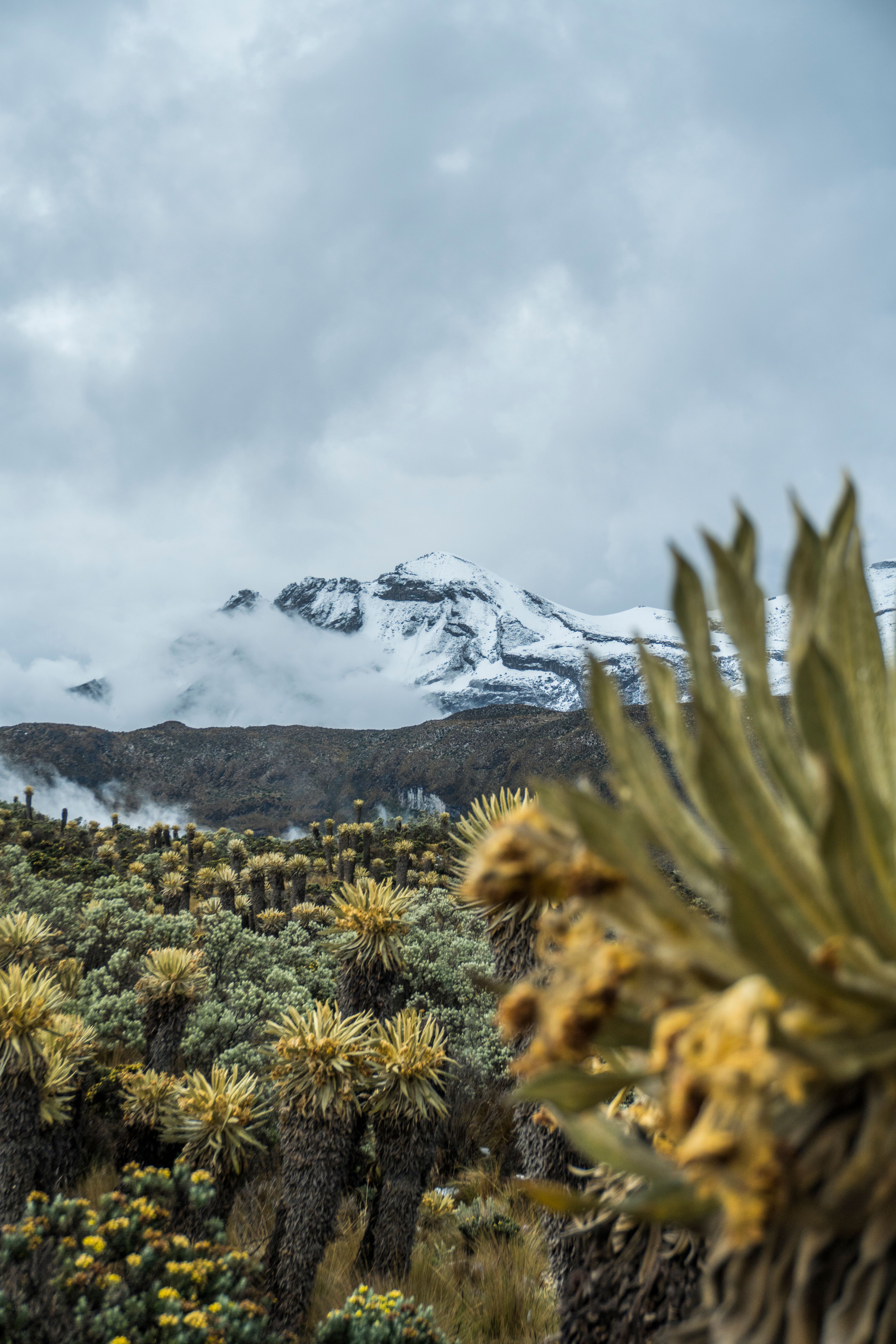
Machame Route
An established southern approach with varied mountain scenery and several days of trekking.
6 or 7 days on NOJO’s listed itineraries
View Route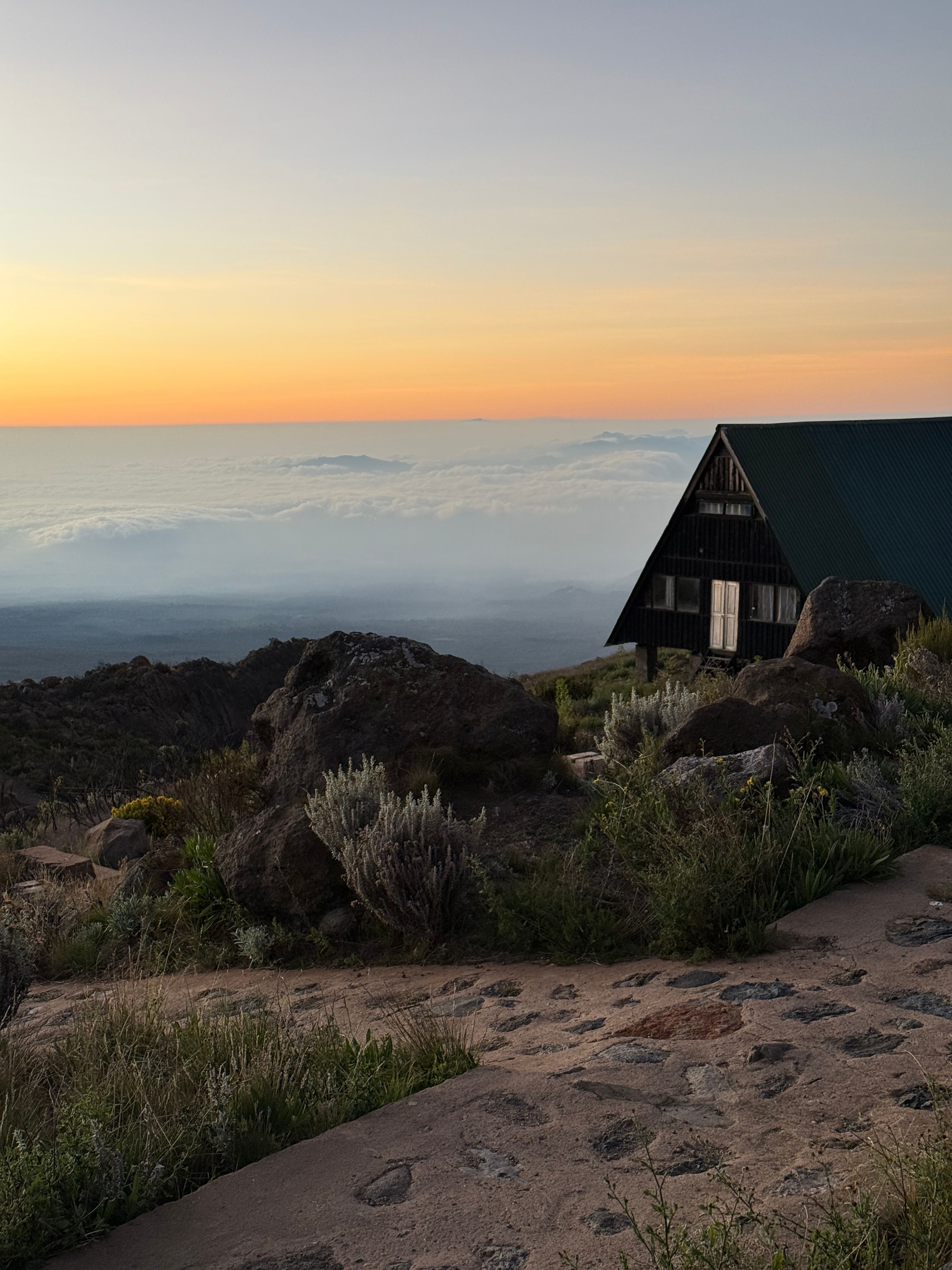
Marangu Route
A classic route using mountain huts rather than camping tents.
5, 6 or 7 days on NOJO’s listed itineraries
View Route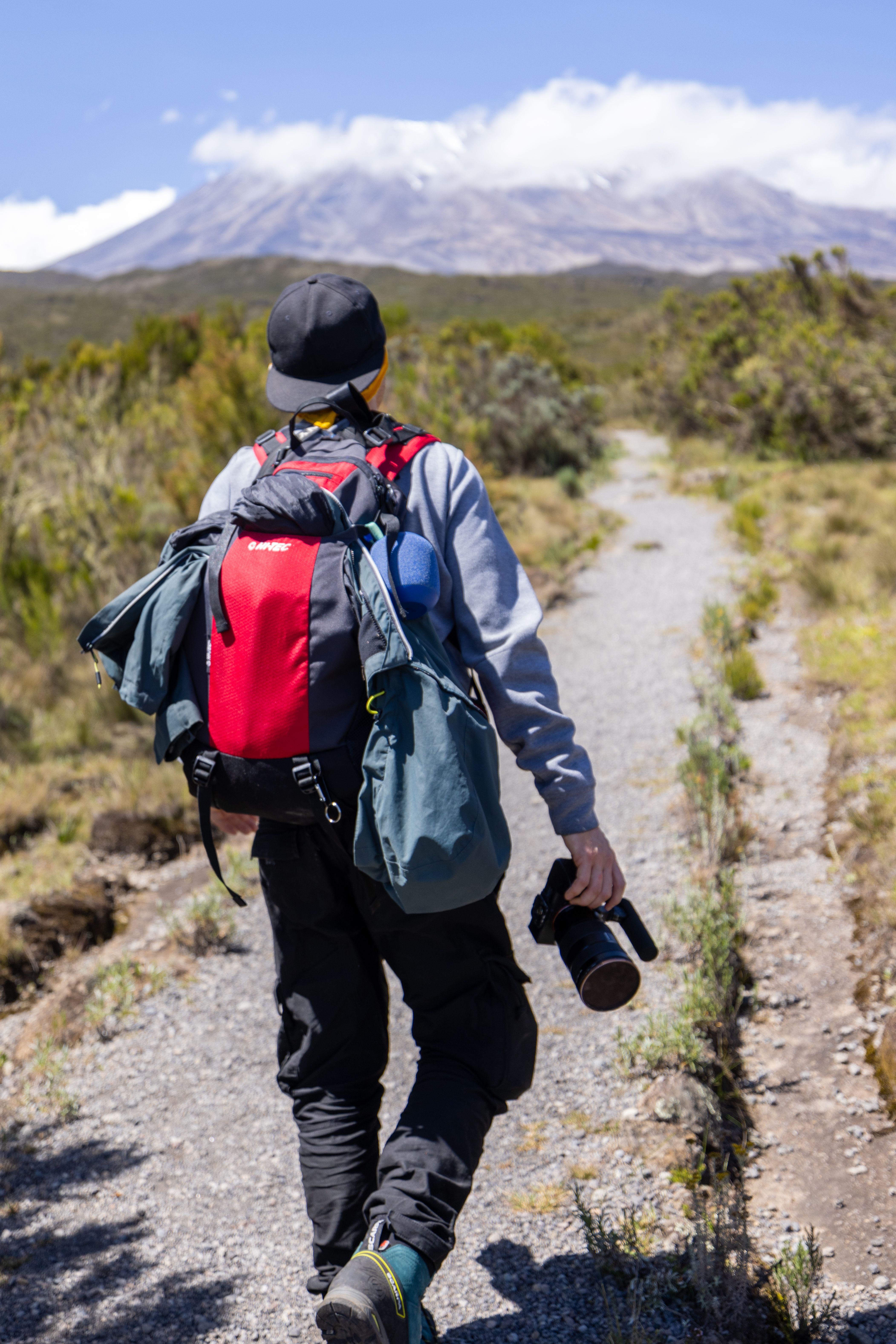
Lemosho Route
A longer western approach with varied landscapes and extended trekking itineraries.
7 or 8 days on NOJO’s listed itineraries
View Route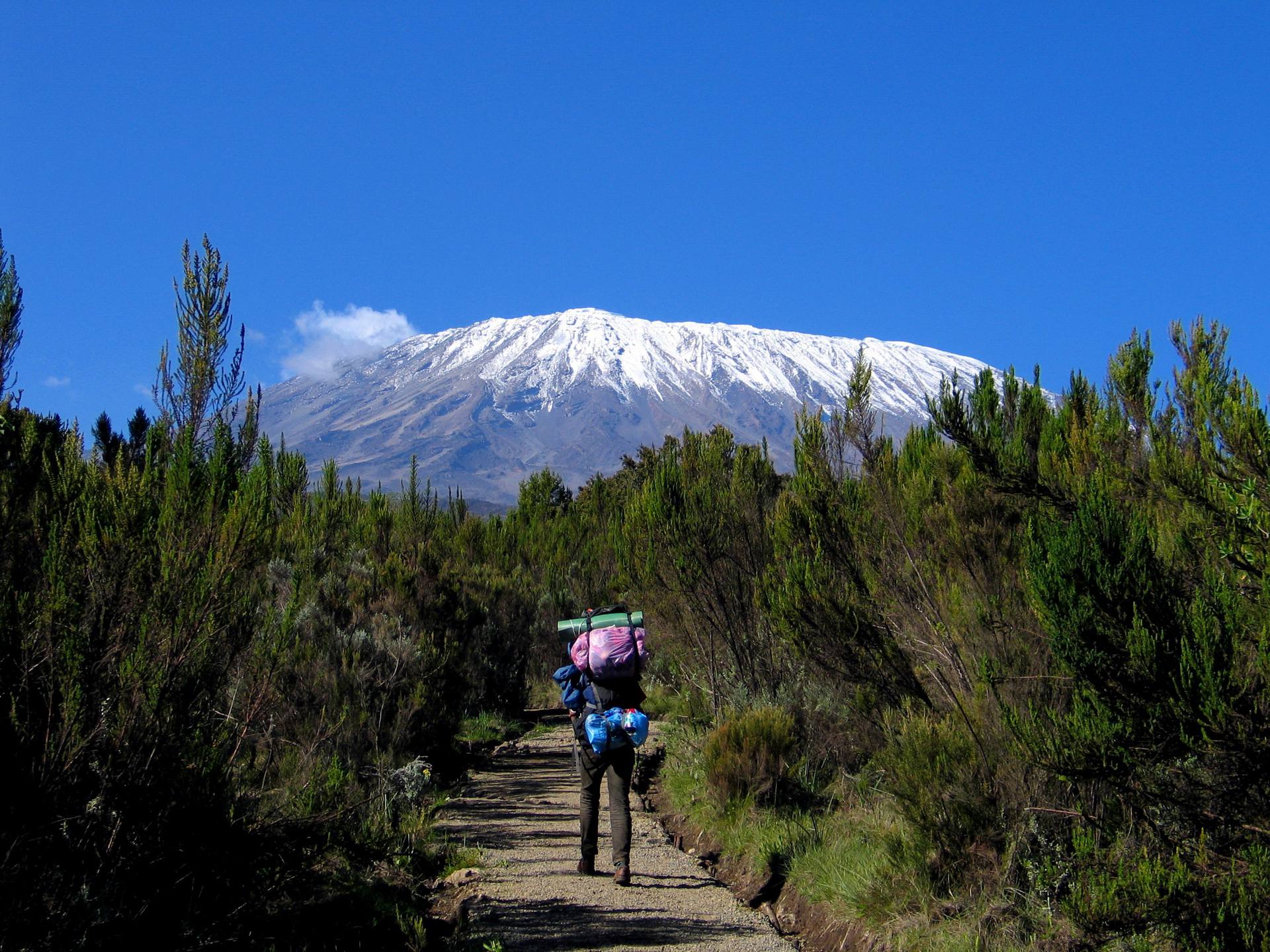
Rongai Route
A northern approach to Mount Kilimanjaro.
6 or 7 days on NOJO’s listed itineraries
View Route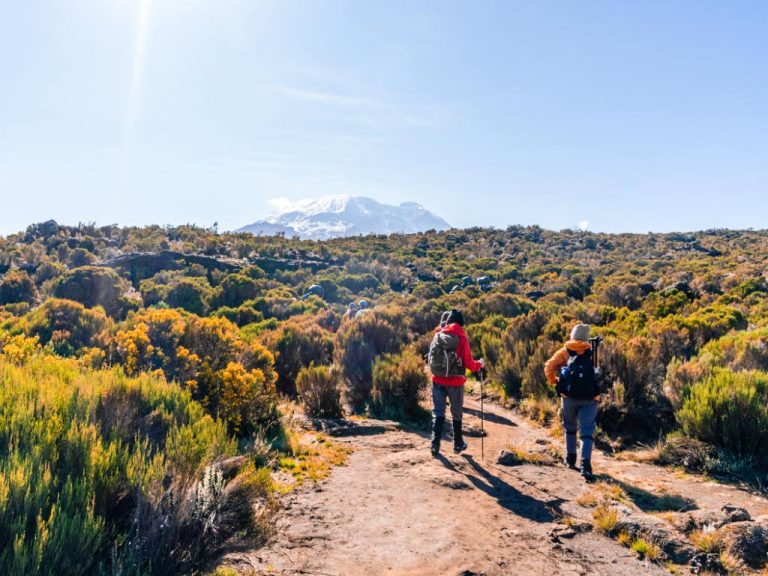
Umbwe Route
A steep route with a demanding trekking profile.
6 or 7 days on NOJO’s listed itineraries
View Route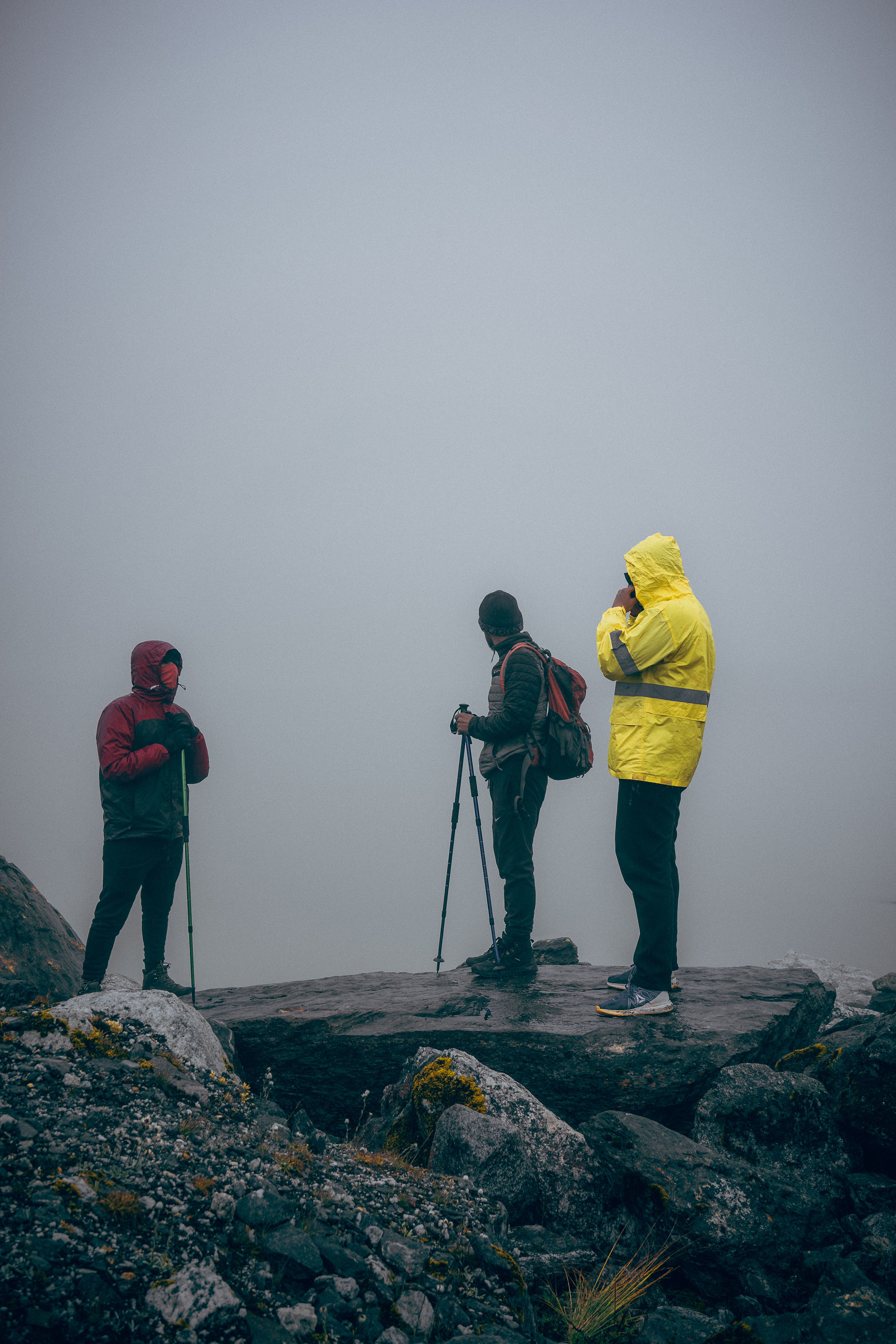
Northern Circuit
A longer itinerary around the northern side of the mountain.
7 or 8 days on NOJO’s listed itineraries
View RoutePlanning Guide
Last updated:
Travel information such as park fees, regulations, route operations and entry requirements can change. Confirm current details with NOJO before travel.