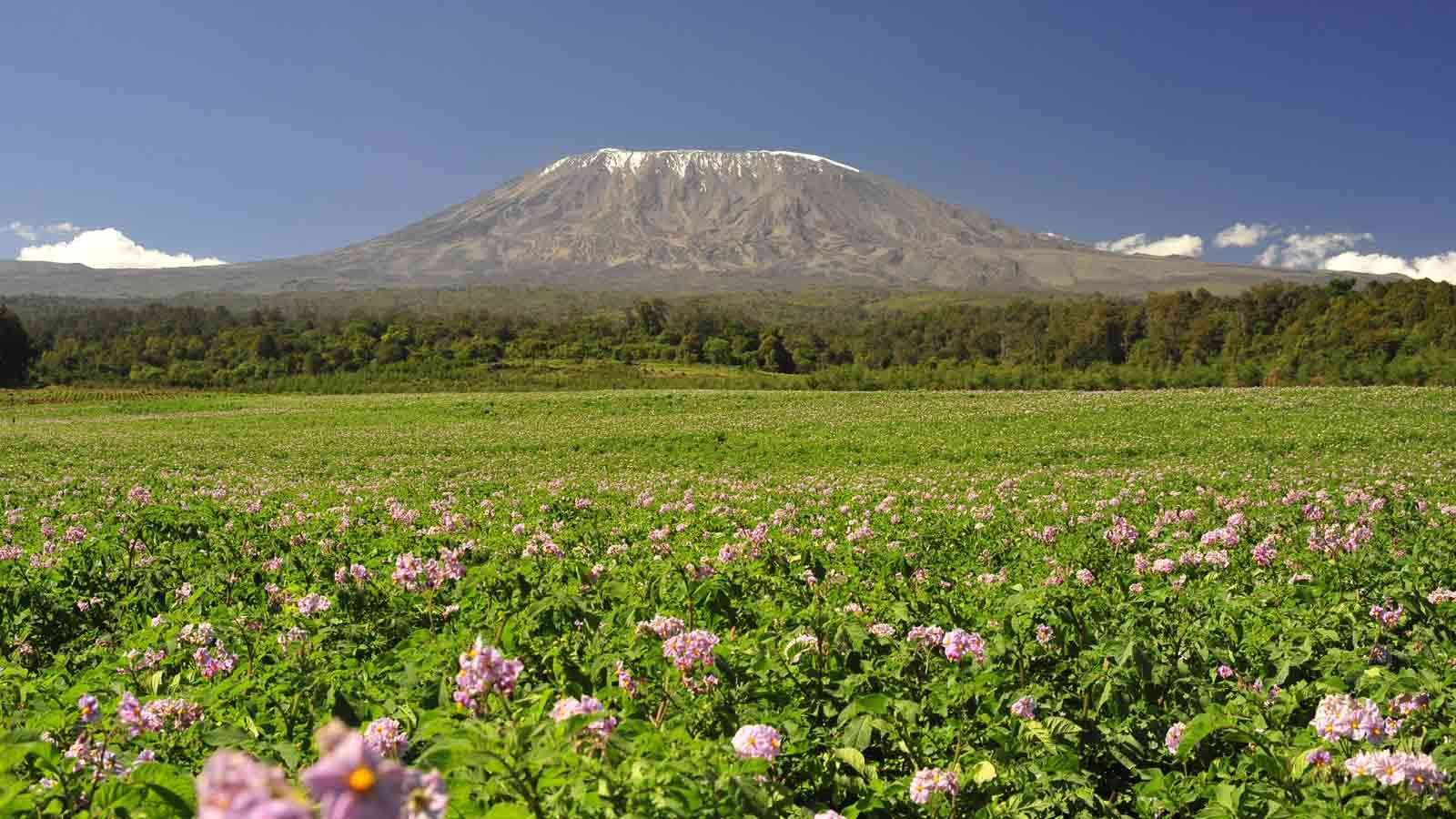
Kilimanjaro Climbing Seasons
June–October
Generally one of the drier periods, with cool mountain conditions. These months are popular, so demand can be higher on preferred dates.
January–February
Often favorable trekking conditions and warmer lower elevations. A useful option for travelers choosing a different period from the mid-year season.
March–May
The long-rain period in much of northern Tanzania brings a higher chance of wet trails and cloud cover. Mountain weather still varies by altitude and date.
November–December
The short-rain period can bring showers, but conditions vary by year and across the mountain. Prepare for changeable weather.
Kilimanjaro Weather by Month
| Month | Typical planning conditions |
|---|---|
| January | January often falls within a relatively favorable period for trekking, with warmer conditions on the lower slopes than in the mid-year months. Rain remains possible, and cloud may affect views. Higher camps and the summit are still cold. Treat the month as a broad seasonal guide, not a forecast, and prepare for different conditions as the route gains elevation. |
| February | February is often a popular time to climb because conditions are commonly relatively favorable and lower elevations can feel warmer. The mountain still has its own high-altitude weather, so rain, cloud, wind and cold remain possible. Check route availability early if your dates are fixed, and use a layered clothing system rather than relying on typical month descriptions. |
| March | March is a transition month as wetter conditions become more likely in northern Tanzania. The timing and amount of rain can vary between years, routes and elevations. Lower forest sections may be damp or muddy, while higher areas can be cold and exposed. Travelers choosing March should pack dependable waterproof layers and confirm current operational advice with their operator. |
| April | April is within the main long-rain period in much of northern Tanzania, so travelers should expect a higher chance of wet trails and cloud cover, especially on lower slopes. Conditions are not identical every day and climbing is not automatically impossible. Consider your comfort with rain, route choice, equipment and schedule, and ask NOJO about current conditions before booking. |
| May | The long-rain period can continue through May, particularly on the lower mountain. Rain may make trails wet or muddy, and cloud can reduce visibility, but actual conditions vary by date and elevation. If you travel in May, bring reliable rain protection for yourself and your gear. Discuss the itinerary and current operational plans with NOJO instead of assuming a fixed seasonal pattern. |
| June | Drier conditions commonly begin around June, although weather remains variable and high elevations stay cool. The lower forest can still receive rain, and summit temperatures can be below freezing. This month can be a transition from the wetter period, so pack for rain as well as cold. Ask your operator for current route and departure information close to your trip. |
| July | July is generally cool and relatively dry and is a popular climbing period. Nights and higher camps are cold, and wind can make exposed areas feel colder. Demand may be higher around preferred dates, so check availability early. Dry-season descriptions are not guarantees; carry waterproof protection and follow your guide’s advice about conditions during the climb. |
| August | August is commonly described as dry and cool and attracts many trekkers. Clear periods are possible, but cloud, wind or rain can still occur, and the summit remains cold. Busy dates may require advance planning. Compare routes and itinerary lengths as well as the calendar month, and prepare for weather to change as you move through different altitude zones. |
| September | September is usually among the drier months and can offer favorable trekking conditions, but no particular view or weather is assured. Summit altitude is cold, especially before dawn, and daytime sun can feel strong. Consider availability, group preferences and your chosen route. Keep rain gear in your pack even if the wider region is in a relatively dry period. |
| October | October is generally a drier month, though conditions are variable and the transition toward short rains may begin later in the period. Temperatures differ substantially by elevation and time of day. Travelers should be ready for sun, wind, cold and possible showers. Ask NOJO to confirm route operations for your intended dates rather than relying on a month-by-month table alone. |
| November | The short-rain period can begin in November, but timing and intensity vary from year to year. Showers may affect lower trails and cloud cover can change views, while upper elevations remain cold and exposed. November may suit flexible travelers who accept more variability. Pack a waterproof shell and contact your operator for current conditions before finalizing plans. |
| December | December has mixed conditions: rainfall is possible and weather varies across the month and by altitude. Some travelers choose dates around holiday periods, so availability may also be a consideration. Expect warm conditions at lower elevations and cold conditions higher up. Confirm the specific itinerary, prepare for rain and summit cold, and do not treat a seasonal pattern as a guarantee. |
These are broad seasonal patterns, not a forecast or guarantee. Conditions can vary considerably from one year to another and between elevations.
What Is the Best Month for a Kilimanjaro Climb?
There is no single month that is perfect for every climber. Travelers prioritizing generally drier conditions often choose the main dry-season periods. Travelers with flexible schedules may consider shoulder periods to avoid some of the busiest dates, while those travelling in wetter months should prepare for muddy trails, rain protection and changing visibility.
Match your preferred month with your route, number of days and tolerance for weather variability. If your schedule is flexible, NOJO can help compare possible dates and route options.
Does the Route Matter When Choosing Your Dates?
Yes. Routes approach from different sides and vary in terrain, daily hiking pattern and accommodation. Consider route choice alongside the month you plan to travel; no route eliminates bad weather.
Compare Machame Route · Marangu Route · Lemosho Route · Rongai Route · Umbwe Route · Northern Circuit.
Kilimanjaro Weather at Different Elevations
There is no single “Kilimanjaro temperature.” The mountain passes through several environmental zones. You may begin in relatively warm conditions and finish near Uhuru Peak in cold, exposed, potentially below-freezing conditions. Rain is more relevant on lower and forested sections; the upper mountain becomes progressively colder and more exposed. Pack for multiple environments rather than the temperature you experience in Moshi.
What Should I Pack for Kilimanjaro Weather?
Prepare for several environments rather than one temperature. You may encounter warm lower slopes, rain, cold wind, freezing conditions and strong sunlight. A layering system works better than relying on one heavy jacket.
- Moisture-wicking base layers and insulating mid-layers
- Waterproof jacket and trousers
- Warm summit layers, gloves and a hat
- Sun protection, trekking boots and headlamp
- Trekking poles and sleeping equipment appropriate to your package
- Waterproof protection for your equipment
See the complete Kilimanjaro packing list and detailed Kilimanjaro weather guide.
How Can I Prepare for Changing Mountain Weather?
Check the forecast before departure, but do not treat a long-range forecast as a guarantee. Prepare for rain even during generally dry periods. Keep electronics and personal items protected from water, and carry your waterproof shell in your daypack rather than burying it in your main luggage. Your mountain guides monitor conditions during the trek and make operational decisions based on what they encounter.
Explore Kilimanjaro Routes
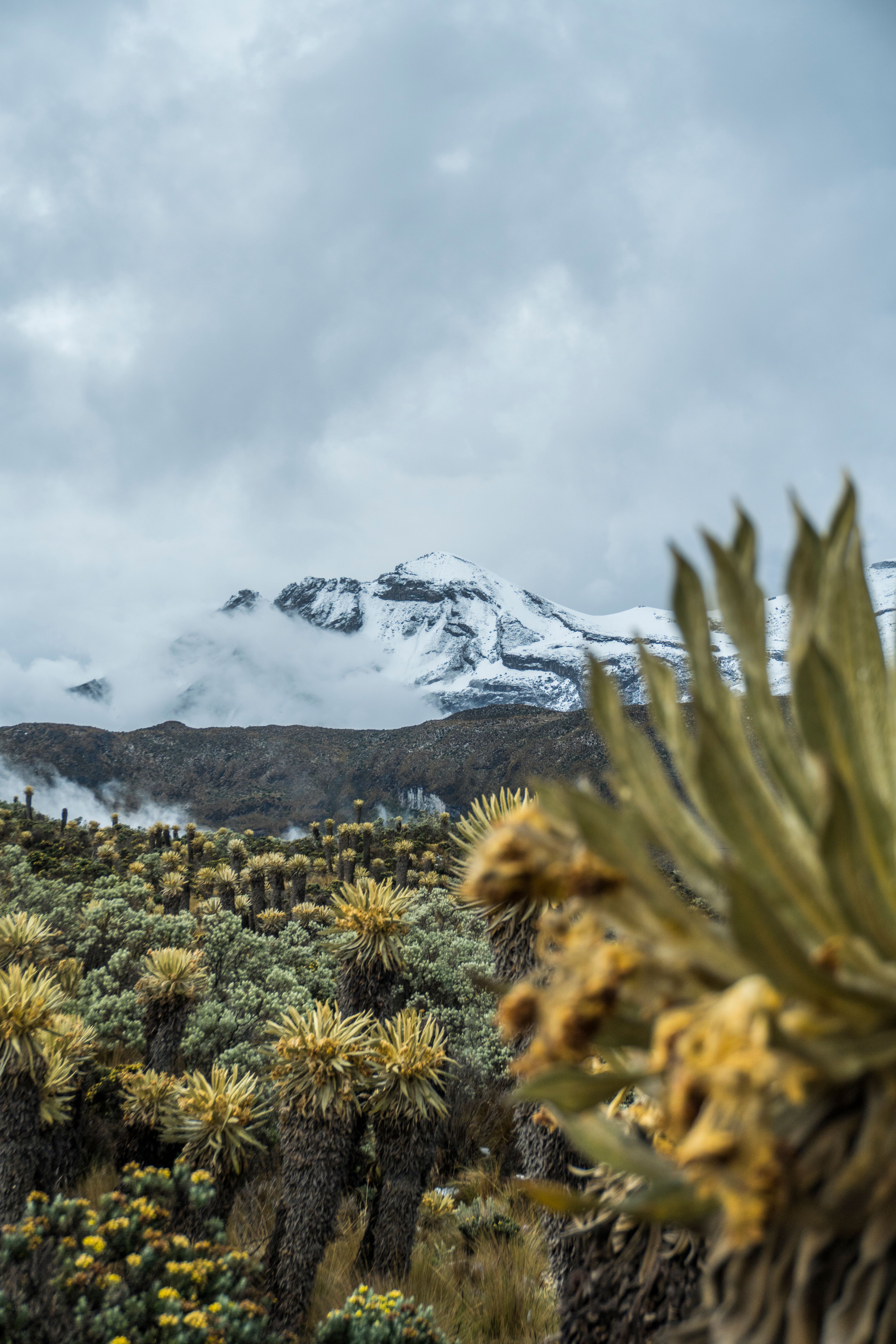
Machame Route
An established southern approach with varied mountain scenery and several days of trekking.
6 or 7 days on NOJO’s listed itineraries
View Route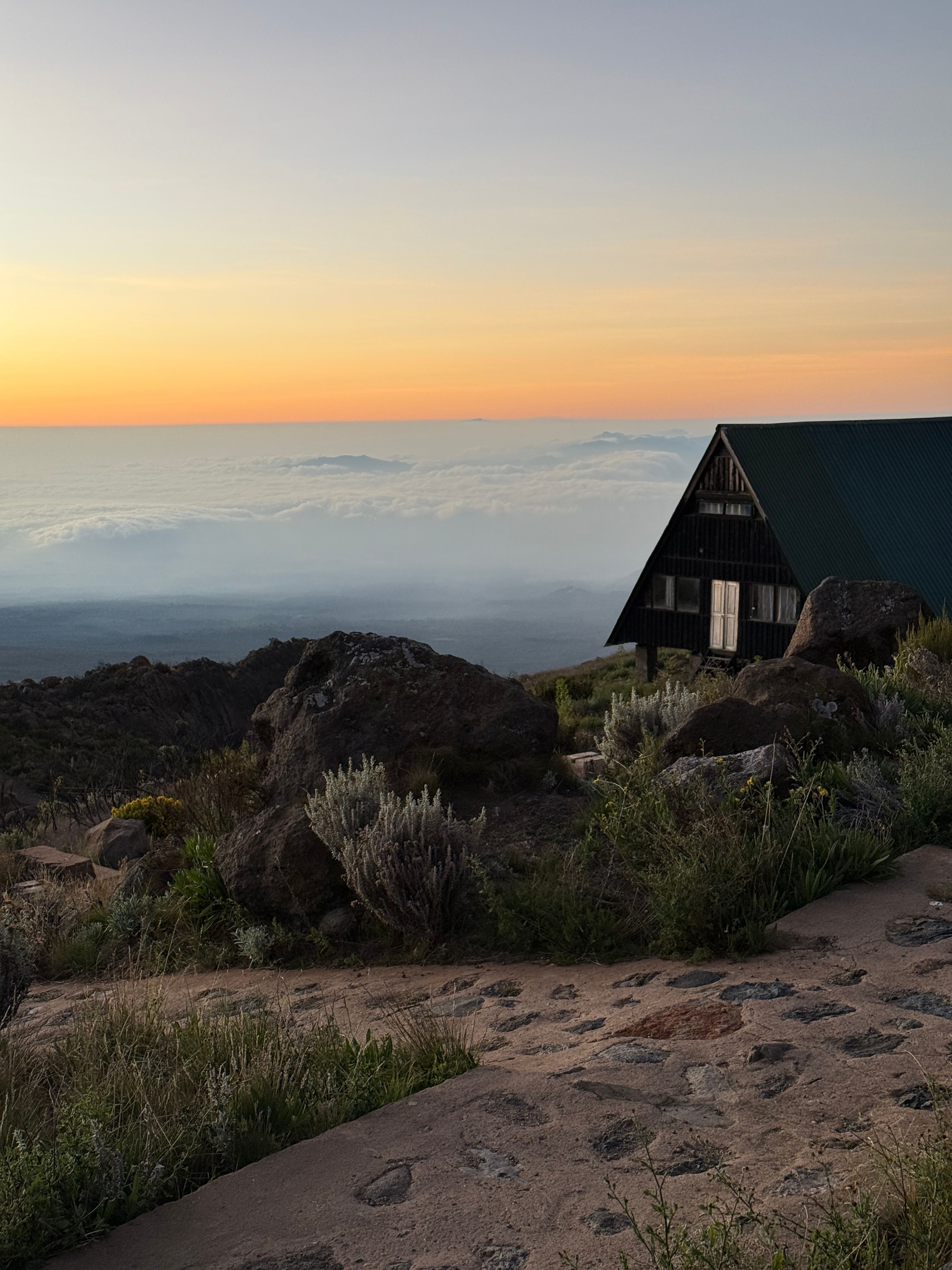
Marangu Route
A classic route using mountain huts rather than camping tents.
5, 6 or 7 days on NOJO’s listed itineraries
View Route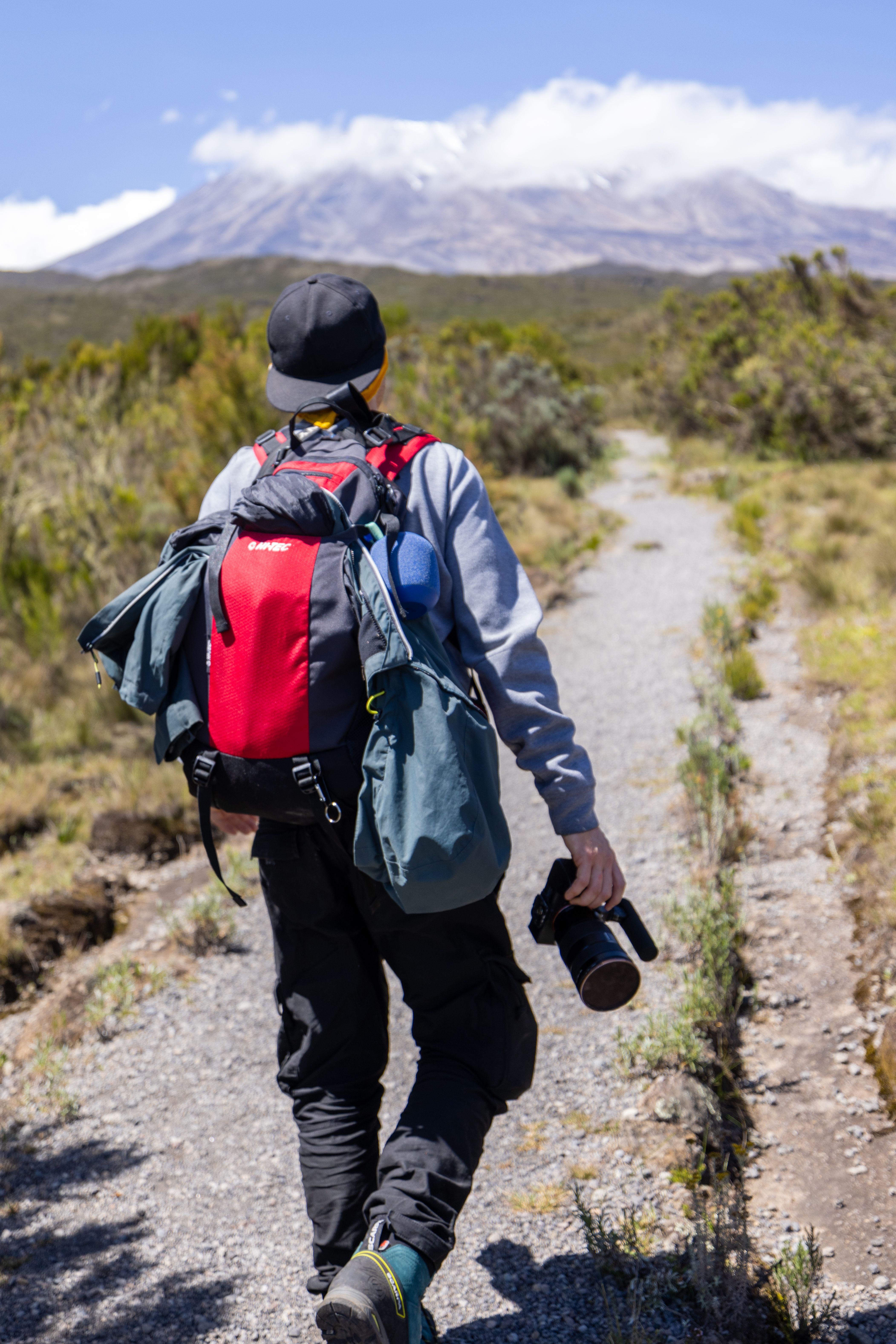
Lemosho Route
A longer western approach with varied landscapes and extended trekking itineraries.
7 or 8 days on NOJO’s listed itineraries
View Route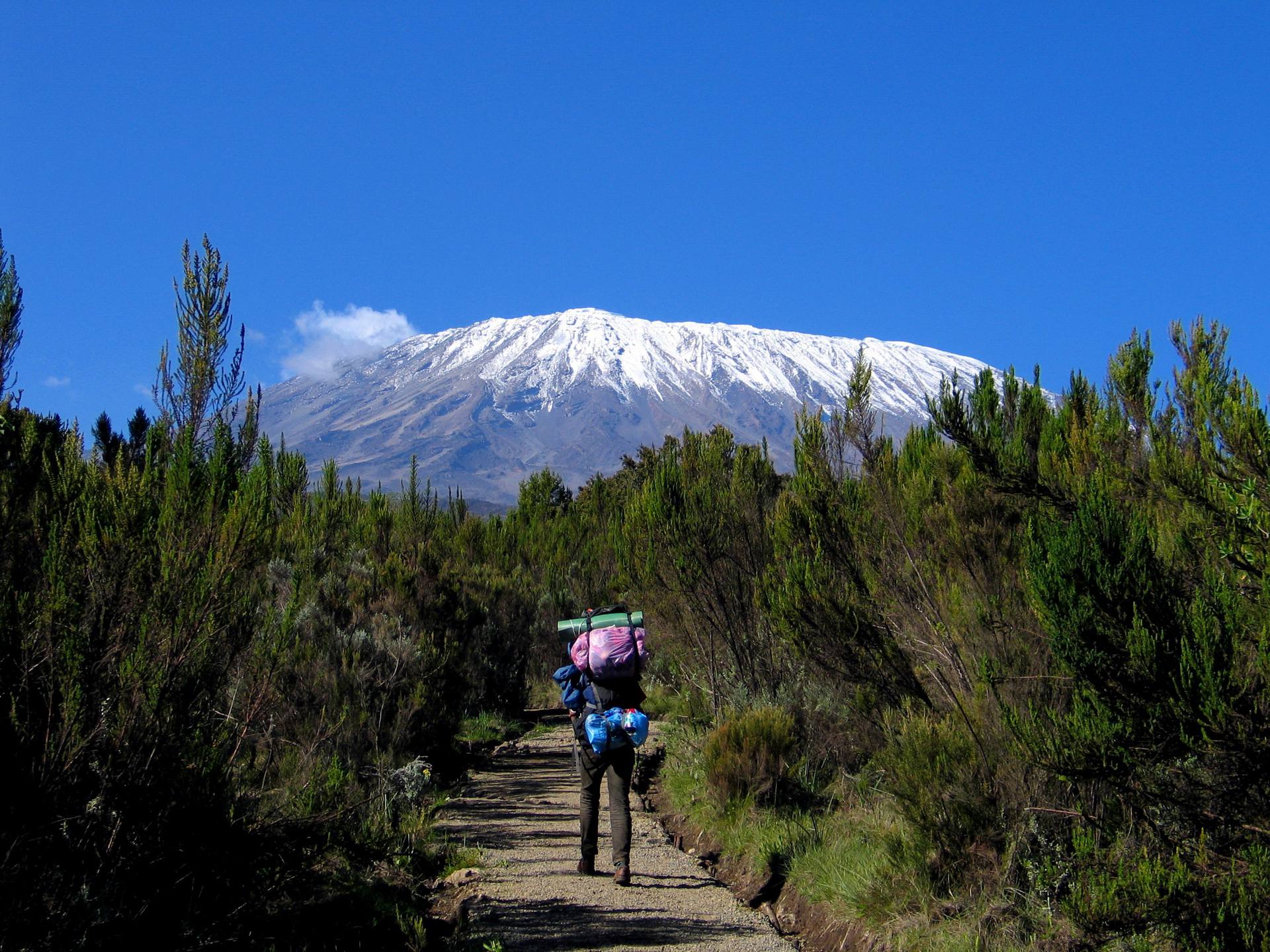
Rongai Route
A northern approach to Mount Kilimanjaro.
6 or 7 days on NOJO’s listed itineraries
View Route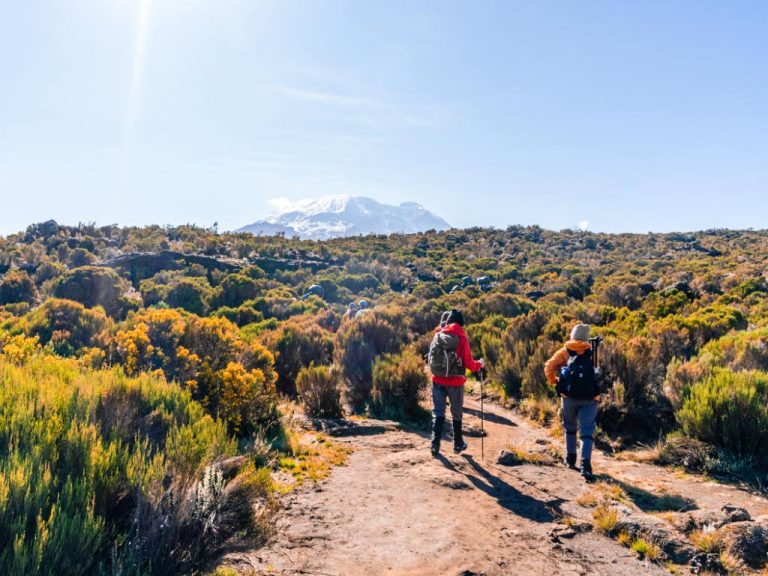
Umbwe Route
A steep route with a demanding trekking profile.
6 or 7 days on NOJO’s listed itineraries
View Route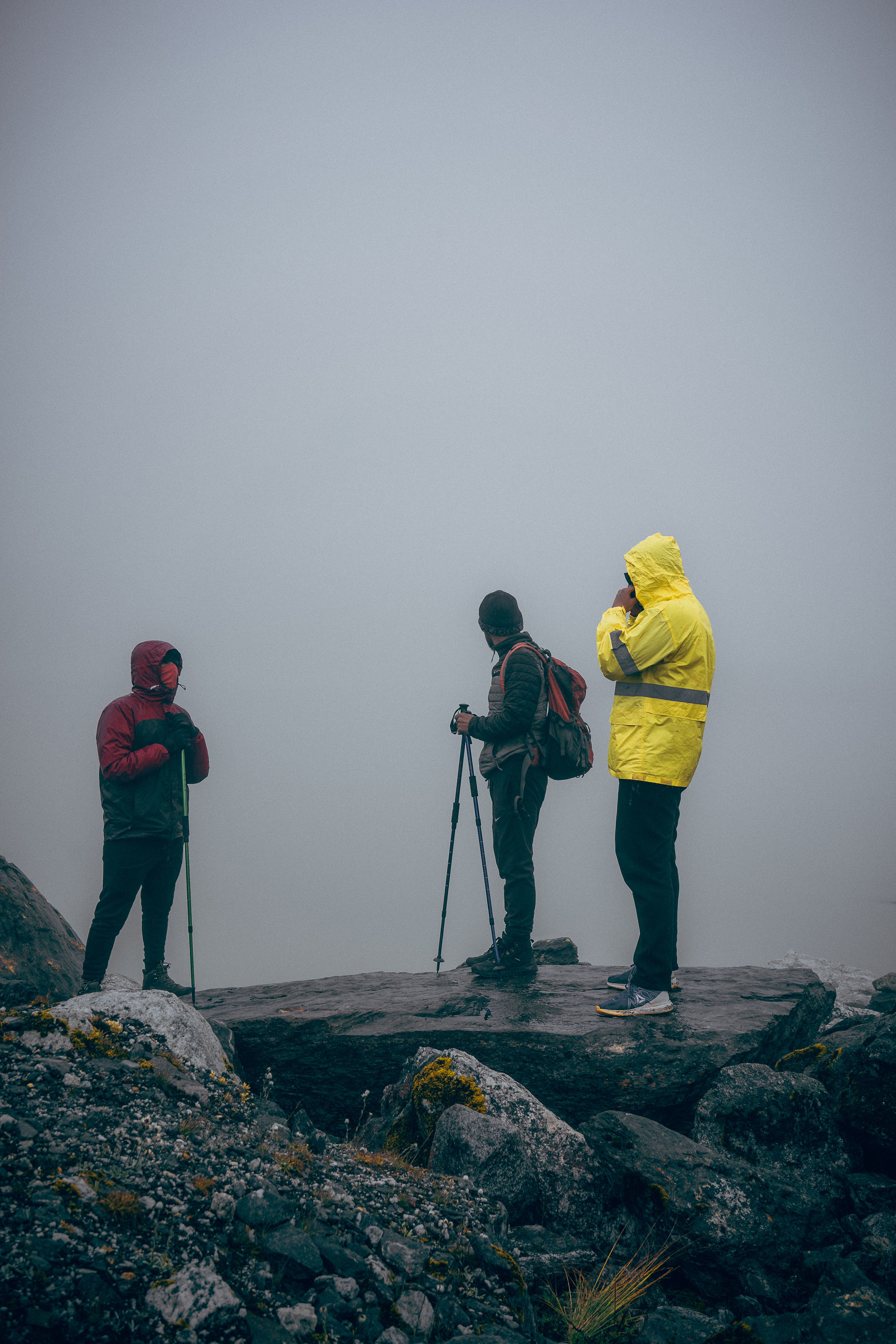
Northern Circuit
A longer itinerary around the northern side of the mountain.
7 or 8 days on NOJO’s listed itineraries
View RoutePlanning Guide
Last updated:
Travel information such as park fees, regulations, route operations and entry requirements can change. Confirm current details with NOJO before travel.